

Is Online Matchmaking Halal in Islam? Principles and Guidelines
In today's digital age, finding a life partner has evolved dramatically. With apps like Muzz, Muzmatch, and Pure Matrimony gaining popularity among Muslims worldwide, a common question arises: Is online matchmaking halal? This article delves into Islamic teachings on marriage, examines the permissibility of online platforms, and provides practical guidance for maintaining halal boundaries in the digital era.
Marriage in Islam is highly encouraged. The Prophet Muhammad (peace be upon him) said, "Whoever dislikes my Sunnah is not of me," and marriage is part of his Sunnah. He also stated, "When a servant marries, he has completed half of his faith; let him fear Allah regarding the other half" (narrated by Al-Bayhaqi). Nikah protects against sin, fosters tranquility, and builds families grounded in faith.
Traditional matchmaking often involved family, imams, or community elders introducing potential spouses. Meetings occurred in supervised settings, with guardians (wali) playing a central role. Today, online platforms have transformed this process, allowing Muslims to connect globally while filtering for compatibility in deen, education, and values.
But does this modern approach align with Islamic principles?
Core Principles of Halal Matchmaking
To determine if online matchmaking is halal, we must refer to foundational Islamic guidelines for seeking a spouse:
- Intention (Niyyah): The primary goal must be marriage, not casual dating or entertainment. Islam prohibits relationships without the intent of nikah, as they can lead to zina (fornication) or emotional harm.
- Involvement of Wali (Guardian): For women, a wali is traditionally required to approve and oversee the process. The Prophet (PBUH) said, "There is no marriage except with a wali" (Abu Dawud). Many scholars extend this wisdom to men for protection and advice.

- Lowering the Gaze and Modesty: Interactions should avoid khalwa (seclusion) and free mixing that could lead to temptation. The Quran instructs: "Tell the believing men to lower their gaze and guard their private parts" (24:30), and similarly for women (24:31).
- No Secret Relationships: The Prophet (PBUH) warned against secret engagements, emphasizing transparency.
- Focus on Compatibility in Faith: Prioritize piety over wealth or beauty. The Prophet advised: "A woman is married for four things: her wealth, lineage, beauty, or religion. Choose the religious one" (Bukhari and Muslim).

These principles apply whether matchmaking is done in person or online. The medium itself—digital platforms—is neutral; it's the usage that determines halal or haram.
Is Online Matchmaking Permissible?
Most contemporary scholars, including those from Dar al-Ifta al-Misriyyah and prominent figures like Sheikh Assim Al-Hakeem, consider online matchmaking halal if it adheres to Shariah guidelines. It's akin to traditional introductions but on a larger scale.
Benefits include:
- Access to compatible partners beyond local communities.
- Pre-screening for religious commitment.
- Features in halal apps like chaperone involvement or blurred photos until serious interest.
However, mainstream apps like Tinder often promote casual hookups, making them haram for Muslims. The key difference lies in intent and safeguards.
Risks and How to Avoid Them
Online platforms carry risks:
- Unsupervised Chatting: Prolonged private conversations can lead to emotional attachment without commitment.
- Deception: Fake profiles or misrepresentation.
- Privacy Issues: Sharing personal photos inappropriately.
To mitigate:
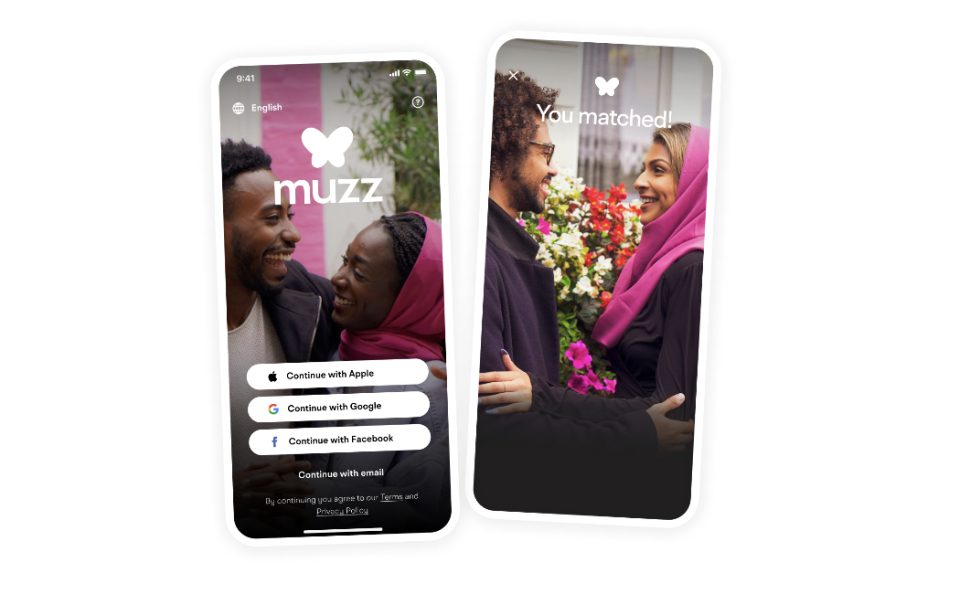
- Use halal-specific apps (e.g., Muzz requires wali approval options and encourages quick family involvement).
- Involve family early.
- Limit interactions to marriage discussions.
- Meet only in public with mahram present.

Scholars like Mufti Menk advise treating online interactions as a tool for introduction, not replacement for real-life verification.
Practical Tips for Halal Online Matchmaking
- Choose the Right Platform: Opt for Muslim-focused apps with built-in safeguards.
- Clear Profile: State intention for marriage and key values.
- Involve Wali from the Start: Share profiles with guardians.
- Supervised Communication: Use group chats or include family.
- Istikhara Prayer: Seek Allah's guidance before proceeding.
- Verify Information: Background checks through community networks.
- Set Boundaries: No late-night chats; focus on compatibility questions.
Many success stories emerge from these platforms when used correctly—couples who married after proper Islamic procedures.
Conclusion
Online matchmaking is halal when conducted with the pure intention of marriage, adherence to modesty, guardian involvement, and avoidance of prohibited actions. It can be a blessed means in modern times, facilitating what was once limited by geography.
Ultimately, success lies in taqwa (God-consciousness). As the Quran states: "And among His signs is that He created for you mates from among yourselves, that you may find tranquility in them, and He placed between you affection and mercy" (30:21).
Muslims navigating this path should consult knowledgeable scholars for personal circumstances and prioritize deen in their search.