

Middle Class Rishtey Success Stories from Muslim Couples in Pakistan, UAE, UK & Beyond
In the vibrant tapestry of Muslim culture, the concept of "rishtey" – marriage proposals facilitated through family networks, community elders, or matrimonial platforms – holds a special place. For middle-class families, where resources are modest but values like faith, education, and stability are paramount, rishtey often bridge the gap between tradition and modernity. Unlike elite arrangements that might involve lavish dowries or high-society connections, middle-class rishtey emphasize compatibility, shared aspirations, and mutual respect. In countries like Pakistan, the UAE, the UK, and even further afield, these stories unfold against backdrops of economic pressures, cultural expectations, and the quest for halal partnerships.
Pakistan, with its deep-rooted Islamic heritage, sees rishtey as a family affair, often initiated by aunts or matchmakers scouring local mosques or online groups. In the UAE, expatriate Pakistanis and other Muslims navigate the challenges of transient lives, blending Gulf influences with South Asian customs. The UK offers a diaspora perspective, where second-generation Muslims balance Western individualism with parental guidance. Beyond these, stories from places like the US or Canada show how rishtey adapt to global migration. Drawing from real-life inspirations on platforms like Qiran.com, where couples share their journeys, these success stories remind us that love rooted in faith can thrive amid everyday struggles.
What makes these tales compelling is their relatability. Middle-class couples often face hurdles like financial constraints, job insecurities, or societal judgments on "class" matches. Yet, through patience and tawakkul (trust in Allah), they emerge stronger. Let's delve into four such inspiring stories, each illustrating how rishtey turned dreams into reality.
Story 1: A Lahore Love Story – From Family Introductions to Forever in Pakistan
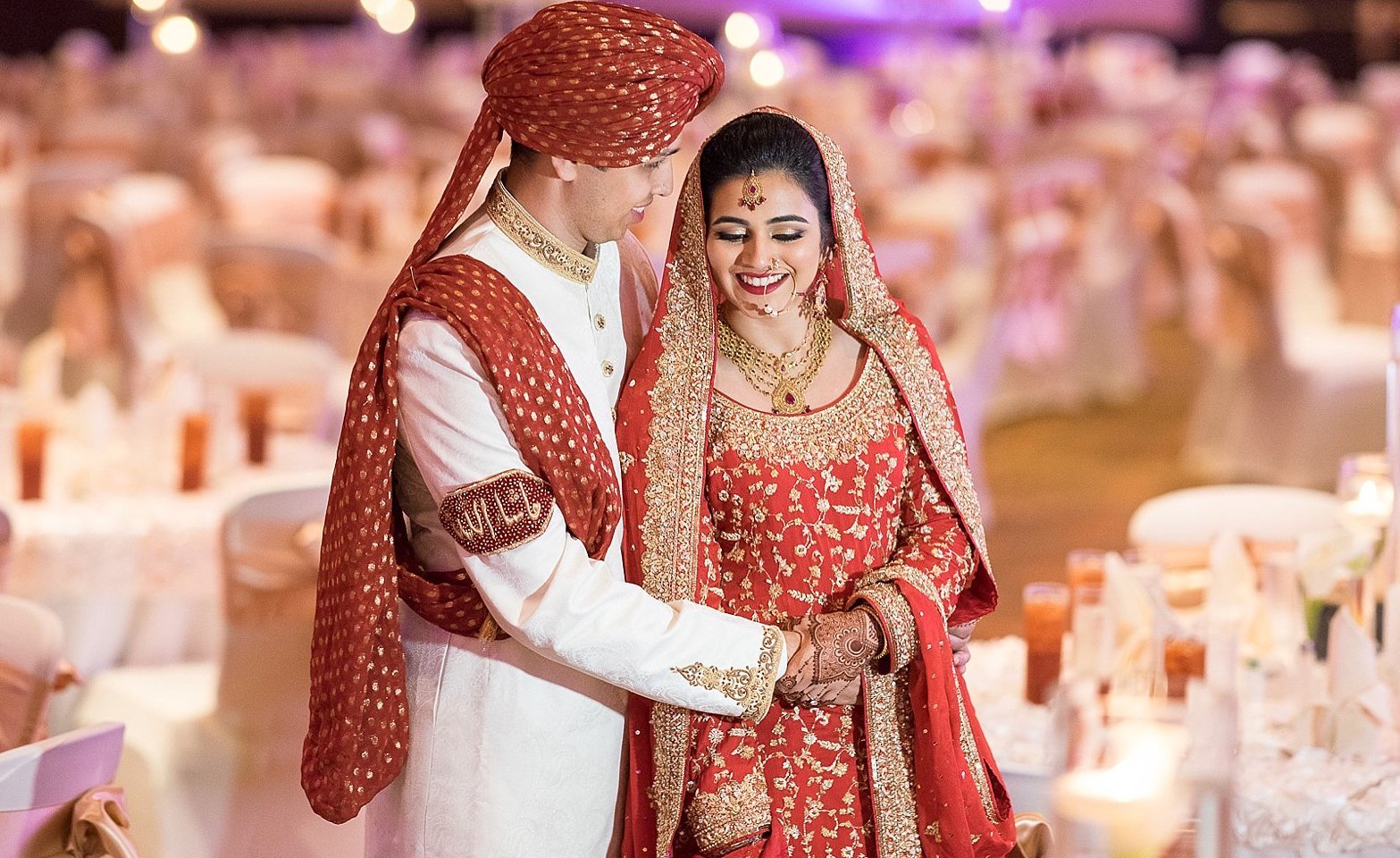
In the bustling streets of Lahore, Pakistan, where middle-class families juggle office jobs and household budgets, Ahmed and Fatima's story began in 2022. Ahmed, a 28-year-old software engineer earning a modest 100,000 PKR monthly, had been searching for a partner through family rishtey for two years. His parents, both teachers in government schools, emphasized education and piety over material wealth. Fatima, 25, a schoolteacher from a similar background in nearby Faisalabad, was introduced via a mutual aunt who frequented the same mosque circles.
Their first meeting was simple – tea at Ahmed's home, with parents chaperoning. "We talked about our dreams," Ahmed recalls. "I wanted a partner who understood the grind of middle-class life, not someone expecting luxury." Fatima shared her passion for teaching underprivileged kids, aligning perfectly with Ahmed's values. Challenges arose: Fatima's family worried about relocating, and Ahmed's night shifts strained early courtship. But through video calls and family visits, they built trust. They married in a modest nikah ceremony at a local hall, with 200 guests and simple walima feasts. Today, living in a rented apartment, they save for a home while supporting their parents. "Rishtey taught us that compatibility trumps class," Fatima says. Their story echoes many in Pakistan, where Reddit discussions highlight middle-class boys facing similar prospects, often advising perseverance or skill upgrades for better matches. It's a testament to how faith and family networks create lasting bonds.

Story 2: Expat Dreams Realized – A Dubai Rishtey Tale in the UAE
The UAE's glittering skyline hides the realities of middle-class expatriate life, where long work hours and visa uncertainties test relationships. Enter Khalid and Aisha, both Pakistani-origin Muslims in their late 20s, who met through a Facebook matrimonial group for abroad rishtey in 2023. Khalid, a mid-level accountant in Dubai earning AED 8,000 monthly, lived in a shared apartment to send remittances home. Aisha, a nurse from Karachi working in Abu Dhabi, sought a partner who valued her career.
Introduced via the group, their rishtey progressed digitally – WhatsApp chats about Islamic values and future plans. "Being middle-class expats, we bonded over saving for hajj and family visits," Khalid shares. Hurdles included distance between cities and cultural expectations; Aisha's family insisted on a traditional mehndi, but budgets limited extravagance. They overcame this by opting for a court nikah in Dubai, followed by a small reception. Now married for two years, they've welcomed a child and plan to settle permanently. Their journey mirrors UAE laws facilitating Muslim marriages for expats, emphasizing mutual consent and simplicity. In a land of transients, their rishtey story proves that shared faith anchors enduring love.
Story 3: Bridging Cultures – A London Rishtey Success in the UK
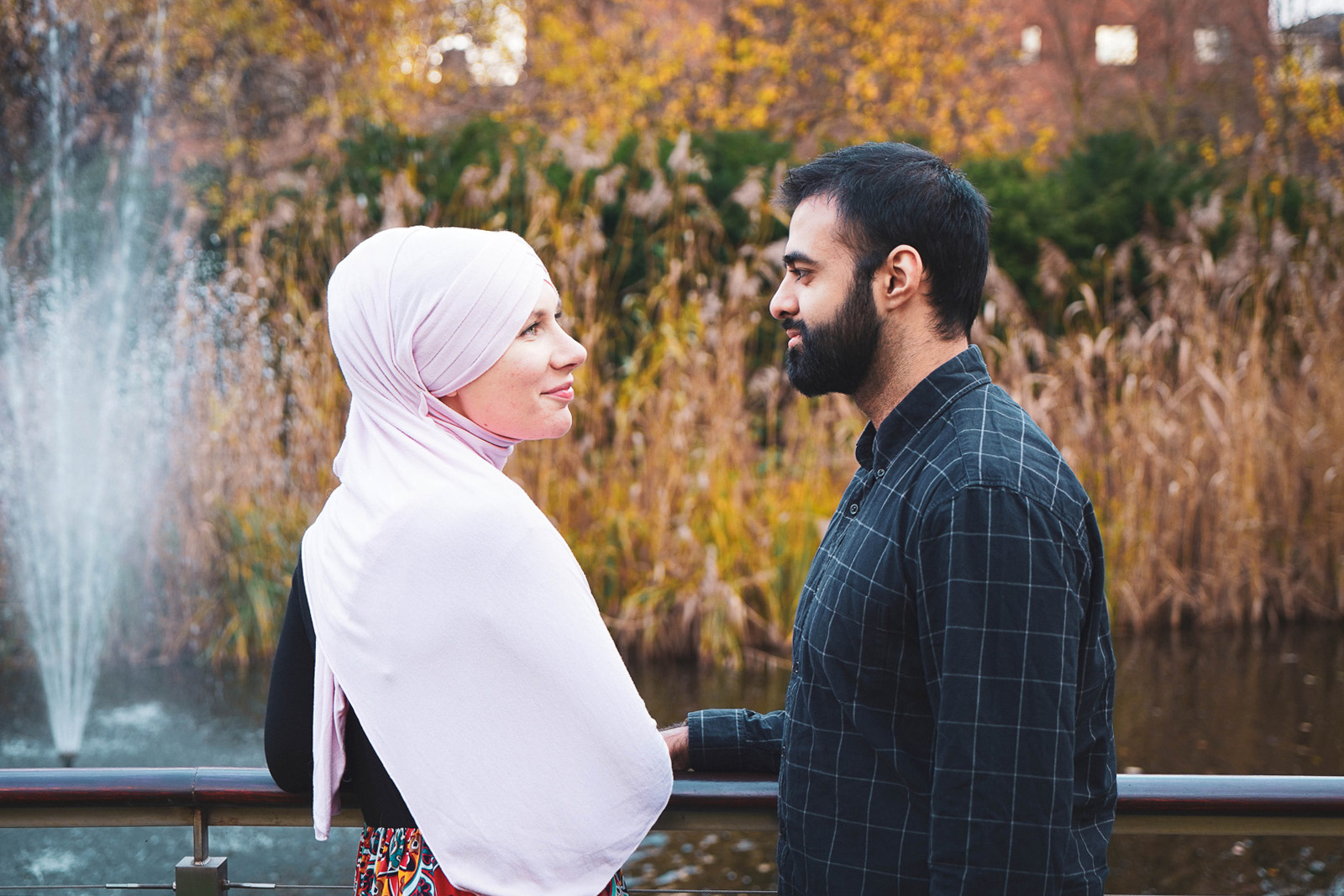
In the UK's multicultural mosaic, middle-class Muslim families often blend British lifestyles with South Asian roots. Sara and Imran's story, starting in 2021, exemplifies this. Sara, 26, a pharmacist in Manchester from a Pakistani immigrant family, earned £35,000 annually. Imran, 29, an IT consultant in London with Bangladeshi-Pakistani heritage, was introduced through a community app similar to Qiran.com.
Their rishtey began with chaperoned coffee meets. "We discussed everything from halal food spots to career goals," Sara remembers. Challenges: Sara's parents preferred a "desi" match, while Imran's family worried about inter-ethnic dynamics. Societal pressures on class – both from working-class upbringings – added scrutiny. They navigated this with premarital counseling at their mosque, focusing on Islamic principles of equity. Married in a vibrant London ceremony blending henna nights and English traditions, they now live in a modest flat, balancing jobs and community service. "Rishtey in the UK means respecting diverse backgrounds," Imran notes. Their tale aligns with UK studies on Muslim marriages, where emotional support trumps coercion, fostering genuine partnerships.
Story 4: Global Horizons – A Rishtey from Canada, Beyond Borders
Extending beyond the core regions, rishtey stories reach places like Canada, where Muslim diasporas thrive. Bilal and Noor, both 30, met in Toronto in 2024 through a Pakistani-American matrimonial Facebook group. Bilal, a middle-class engineer from Lahore who migrated for studies, earned CAD 70,000. Noor, a teacher of UAE-Pakistani descent, valued her independence.
Their virtual rishtey evolved into in-person dates, discussing immigration woes and family ties. "Middle-class life means budgeting for flights home," Bilal says. Obstacles: Time zones for family approvals and cultural blends. They married in a simple mosque nikah, incorporating Pakistani and Canadian elements. Now parents to a toddler, they inspire others via online forums. This global rishtey echoes success stories from platforms like BharatMatrimony, adapted for Muslims, showing how technology extends traditional networks.
Common Themes and Lessons from These Rishtey Journeys
Across these stories, patterns emerge: Faith as a foundation, with couples prioritizing prayer and Quranic guidance. Financial prudence is key; middle-class rishtey avoid ostentation, focusing on sustainability. Challenges like relocation or class perceptions are met with communication and family involvement. Tips for aspirants: Use trusted platforms, involve elders wisely, and seek istikhara (prayer for guidance). As one couple from a Qiran.com testimonial noted, "When Allah wills, love follows." These narratives counter stereotypes, showing rishtey as empowering rather than restrictive.
Conclusion: Embracing Rishtey for a Brighter Future
Middle-class Muslim rishtey success stories from Pakistan, UAE, UK, and beyond illuminate the beauty of halal unions in a fast-changing world. They celebrate resilience, proving that love doesn't need grandeur – just sincerity and divine blessing. As more couples share on social media and forums, these tales inspire hope. Whether in Lahore's lanes or Dubai's dunes, rishtey remind us: In the pursuit of companionship, faith and family pave the way to eternal joy.
