
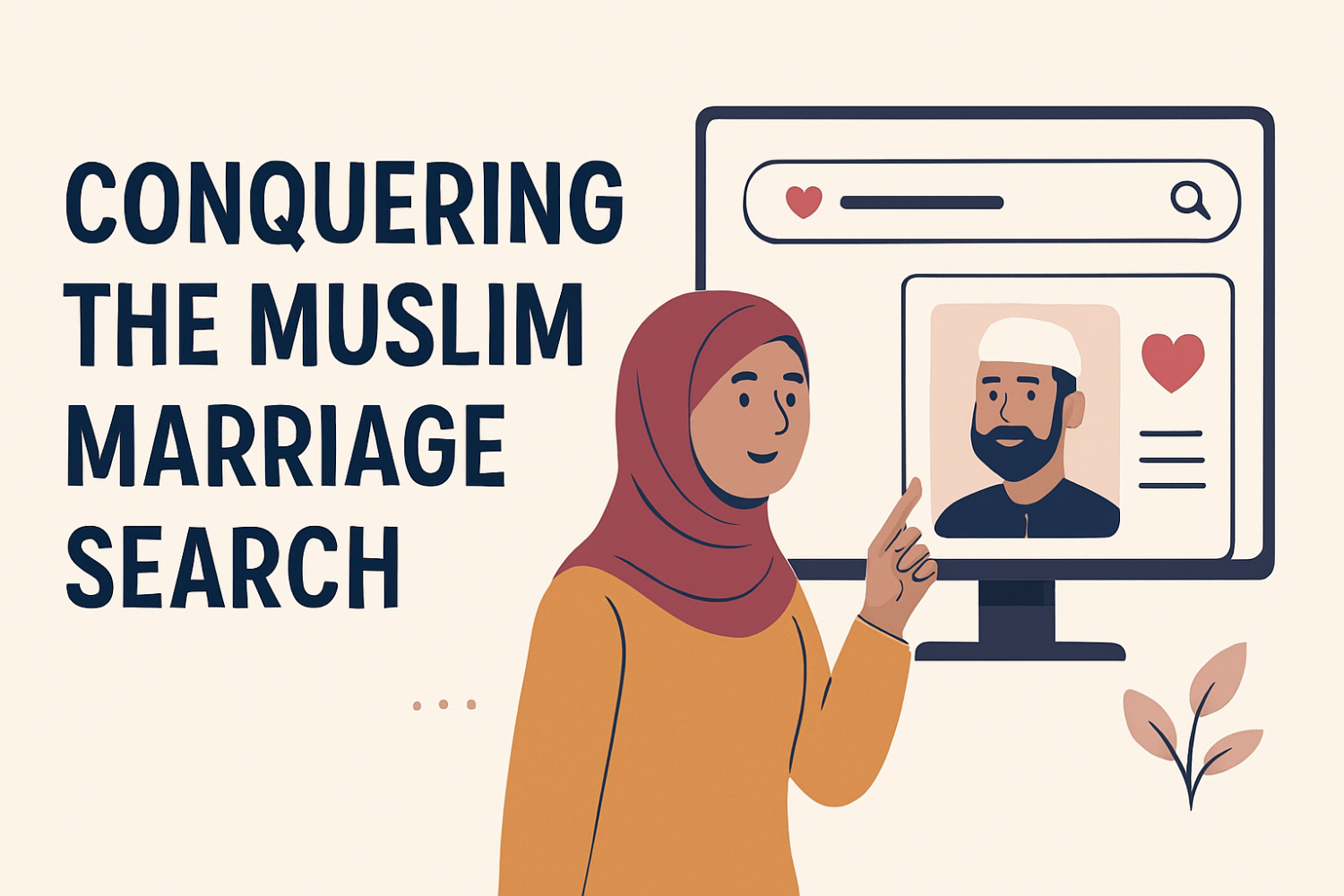
Career Women Over 25: Conquering the Muslim Marriage Search
In many Muslim communities, marriage is viewed as a cornerstone of life, yet for women over 25 who have built successful careers, the path to finding a spouse can feel like an uphill battle. These women—doctors, engineers, lawyers, educators, and entrepreneurs—have invested years in education and professional growth, only to encounter stereotypes that label them as "too independent," "too old," or "too established." The pressure intensifies with cultural norms favoring younger brides, family expectations, and a perceived mismatch in priorities.
However, this phase doesn't have to be defeating. Many career-oriented Muslim women are redefining the search, balancing deen (faith), dunya (worldly success), and personal fulfillment. By approaching the process intentionally, with tawakkul (trust in Allah) and clear boundaries, they conquer obstacles and often find more compatible, mature partners. Here's how.
1. Understanding the Real Challenges
The struggles are multifaceted and often rooted in cultural rather than purely Islamic expectations.
- Age stigma hits hard after 25, with many men and families preferring younger matches, even when the woman is in her late 20s or early 30s.
- Career success creates double standards: ambition is praised in men but seen as a threat to traditional roles in women, leading to assumptions that she'll neglect home duties or demand too much.
- Limited halal meeting opportunities persist, as mixed social settings are avoided, and family introductions favor "traditional" profiles.
- Unrealistic expectations from both sides—some men seek "supermodel" looks with homemaker qualities, while some women hold high standards for religious commitment and emotional maturity.
- Community pressure adds emotional strain, with unmarried women over 25 sometimes facing pity or judgment, impacting confidence.
Recognizing these as societal patterns, not divine decrees, is the first step toward empowerment. Islam encourages marriage for companionship and protection (Qur'an 30:21), not rigid timelines or superficial criteria.
2. Shifting the Mindset for Empowerment
Before diving into practical steps, reframe your perspective.
Prioritize self-worth rooted in faith, not societal approval. Remember Khadijah (RA), a successful businesswoman who proposed to the Prophet (PBUH) when she recognized his character. Her story shows that professional success and marriage can coexist beautifully.
Embrace delayed marriage as a blessing. Women marrying later often enter unions with greater maturity, financial stability, and clarity about deal-breakers, leading to stronger partnerships.
Avoid desperation narratives. The search is about finding a righteous companion, not "settling" to escape loneliness or stigma. Trust that Allah's timing is perfect—focus on becoming the best version of yourself.
3. Practical Strategies to Navigate the Search
Adopt proactive yet principled approaches.
- Involve a trusted wali early. Whether a father, brother, or knowledgeable mentor, having a guardian provides protection and filters out time-wasters.
- Create a clear list of non-negotiables: religious practice (e.g., prayer consistency, halal/haram boundaries), character traits (kindness, respect), life goals (support for your career), and compatibility in values. Distinguish these from nice-to-haves like height or income.
- Use modern halal platforms wisely. Apps like Muzz or others designed for Muslims allow filtering by education, profession, and religiosity. Be upfront about your career—seek men who celebrate it rather than tolerate it.
- Expand networks thoughtfully. Attend Islamic conferences, lectures, or community events where like-minded professionals gather. Ask respected community members (imams, elders) for introductions.
- Ask direct questions early. In initial chaperoned meetings, discuss views on working wives, household roles, children, and finances. This prevents prolonged engagements that lead nowhere.
- Perform istikhara regularly. Seek Allah's guidance for clarity—many women report it steering them away from mismatches or toward unexpected opportunities.
4. Balancing Career Ambitions with Marriage Goals
One common fear is that marriage will derail professional progress. The key is seeking partners who share a vision of mutual support.
- Look for men inspired by Islamic examples. The Prophet (PBUH) helped with household chores and encouraged education—seek spouses who value partnership over rigid roles.
- Discuss dual-career realities upfront. Many modern Muslim couples thrive with shared responsibilities, flexible work, or supportive in-laws.
- Maintain boundaries during the search. Protect your time and energy—don't pause your career for endless "potentials." A compatible spouse will enhance, not hinder, your growth.
- Build emotional resilience. Rejection or ghosting hurts, but view it as protection. Use the time to invest in hobbies, friendships, and ibadah for fulfillment beyond marriage.
5. Overcoming Internal and External Pressures
Family and aunties may push for quick matches—politely assert your standards while honoring parents.
Combat loneliness through strong sisterhood circles and community involvement. A fulfilling life reduces pressure on marriage as the sole source of happiness.
If past experiences (e.g., bad proposals) cause hesitation, seek counseling from a Muslim therapist or mentor to heal and rebuild confidence.
6. Success Stories and Inspiration
Countless women over 25 have found loving marriages later. Some met partners through work networks, others via apps after refining profiles, and many through istikhara-guided persistence. These unions often feature deeper respect, shared goals, and emotional maturity—proving that waiting can lead to better outcomes.
In one account, a 32-year-old engineer married a supportive doctor who admired her drive. Another, a lawyer in her late 20s, found a spouse who encouraged her career while building a nurturing home together.
Final Thoughts: Trust the Process
Conquering the Muslim marriage search as a career woman over 25 requires patience, strategy, and unshakeable faith. Reject limiting narratives—your education, independence, and achievements are assets, not liabilities. Allah promises ease after hardship (Qur'an 94:5-6), and righteous spouses come as mercy.
Stay steadfast in dua, refine your intentions, and take empowered steps. The right match will recognize your worth, align with your deen, and walk beside you in both faith and ambition. Until then, live fully—your story is still unfolding.